
In today’s workplace, leaders talk constantly about performance, productivity, and engagement. They invest in KPIs, dashboards, and employee surveys. They host team-building events and roll out new policies to improve culture.
But many organizations still struggle with a fundamental issue: employees don’t feel safe to speak up.
They hesitate to share ideas. They avoid difficult conversations. They stay silent when they notice problems.
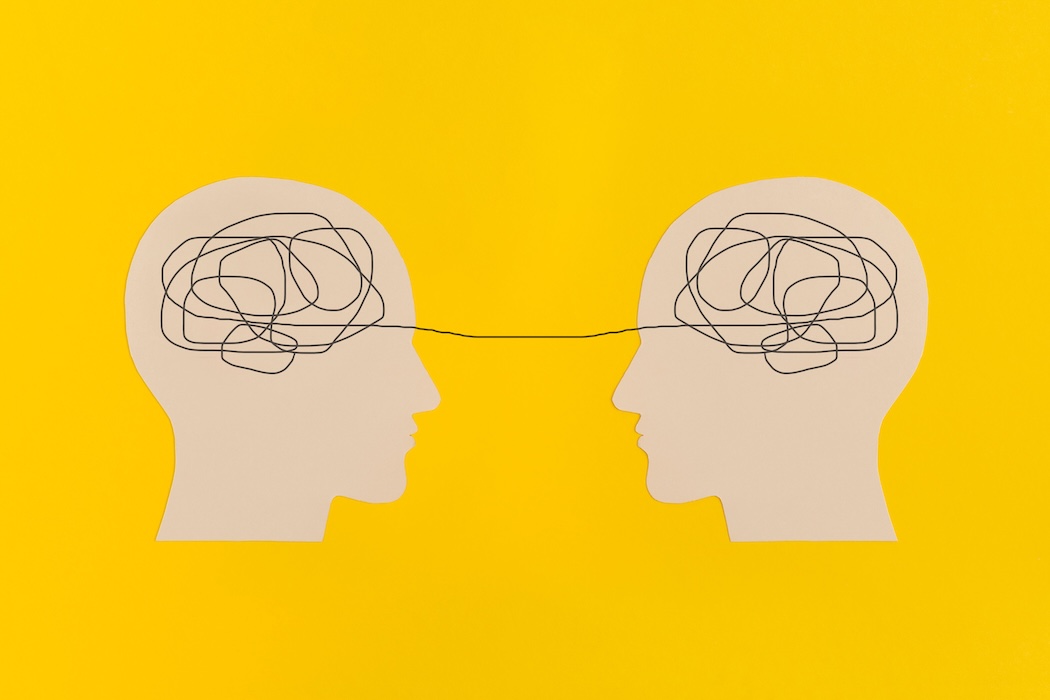
This isn’t a motivation problem. It’s a psychological safety problem. And in many companies, the missing link between psychological safety and high performance is surprisingly simple: consistent, meaningful recognition.
Let’s explore how psychological safety and employee recognition are deeply connected — and why organizations that ignore this connection pay the price in silence, disengagement, and turnover.
What Is Psychological Safety (Really)?
Psychological safety, a concept popularized by Harvard professor Amy Edmondson, refers to a shared belief that the team is safe for interpersonal risk-taking.
In simple terms, it means:
- You can ask questions without feeling stupid.
- You can admit mistakes without fear of humiliation.
- You can offer ideas without being dismissed.
- You can challenge the status quo respectfully.
- You can be yourself at work.
Google’s famous Project Aristotle study found that psychological safety was the #1 predictor of high-performing teams — more important than seniority, talent density, or structure.
Yet many organizations misunderstand psychological safety. They treat it as a training topic instead of a daily behavioral norm. They discuss it in workshops but fail to embed it into everyday interactions.
That’s where recognition comes in.
Why Psychological Safety Fails in Practice
Even well-intentioned leaders struggle to build psychological safety because:
- Feedback flows mostly top-down.
- Mistakes are highlighted more than efforts.
- Praise is rare or vague.
- Recognition happens only for big wins.
- Only loud voices get visibility.
Over time, employees learn something subtle but powerful:
“It’s safer to stay quiet.”
When contributions go unnoticed, people begin to conserve energy. When effort is ignored, they reduce risk-taking. When speaking up doesn’t lead to acknowledgment, they stop speaking.
Silence becomes the default.
And silence kills innovation, collaboration, and engagement.
The Role of Recognition in Building Psychological Safety
Recognition does more than boost morale. It signals belonging, visibility, and value.
Here’s how recognition directly strengthens psychological safety:
1. Recognition Validates Contribution
When employees are recognized for their input — even small contributions — it sends a clear message:
“Your voice matters here.”
This reduces the fear of being invisible or dismissed. Over time, employees feel more confident sharing ideas because they know their efforts are seen.
2. Recognition Reduces Fear of Failure
If recognition only celebrates perfect outcomes, employees will avoid risk.
But when leaders recognize:
- Learning moments
- Thoughtful experimentation
- Honest effort
- Constructive feedback
They normalize growth over perfection.
This shift makes it safer to try, fail, and improve — which is the foundation of innovation.
3. Recognition Encourages Peer Support
Psychological safety isn’t just leader-driven. It’s team-driven.
When peer-to-peer recognition becomes part of daily culture, employees reinforce positive behaviors among themselves. This creates a supportive environment where people uplift each other instead of competing silently.
Peer recognition strengthens trust — and trust fuels safety.
The Hidden Cost of Ignoring Recognition
Organizations that neglect recognition often experience:
- Lower employee engagement
- Reduced collaboration
- Innovation stagnation
- Higher burnout rates
- Quiet quitting
- Increased turnover
When people don’t feel valued, they disconnect emotionally. And when emotional connection fades, psychological safety collapses.
Employees may still show up physically — but mentally, they’re protecting themselves.
Recognition as a Daily Safety Signal
Psychological safety isn’t built in annual reviews or quarterly town halls. It’s built in daily micro-moments.
Small acknowledgments like:
- “That was a great question.”
- “Thanks for raising that concern.”
- “I appreciate you challenging that idea.”
- “Your input helped us avoid a mistake.”
- “Thanks for being honest about that issue.”
These signals matter more than grand gestures.
In fact, consistent micro-recognition builds a culture where speaking up becomes normal — not risky.
Recognition and Inclusive Cultures
Psychological safety is especially critical in diverse and hybrid teams.
Without intentional recognition:
- Introverts get overlooked.
- Remote employees feel invisible.
- Junior team members hesitate to contribute.
- Minority voices go unheard.
Recognition levels the playing field.
When contributions are acknowledged publicly and transparently, visibility increases across the organization — not just for the most vocal individuals.
Inclusive recognition practices help ensure that psychological safety is distributed equally, not selectively.
How to Use Recognition to Strengthen Psychological Safety
If you want to intentionally connect recognition with psychological safety, focus on these principles:
1. Recognize Effort, Not Just Results
Celebrate the process, not only the outcome.
2. Make Recognition Frequent
Annual awards don’t create safety. Daily appreciation does.
3. Encourage Peer-to-Peer Recognition
Safety grows when appreciation flows in all directions.
4. Recognize Courage
Acknowledge when someone speaks up, admits a mistake, or shares constructive feedback.
5. Make It Visible
Public recognition reinforces cultural norms and shows others that contributions are valued.
Technology’s Role in Scaling Psychological Safety
In distributed teams, informal praise can easily get lost. That’s why structured recognition systems are increasingly important.
When recognition is:
- Embedded in Slack or Microsoft Teams
- Easy to give in seconds
- Visible across departments
- Trackable over time
It stops being random — and starts becoming cultural infrastructure.
This is where platforms like Karma recognition help teams operationalize appreciation.
By enabling peer-to-peer recognition, celebrations, and continuous feedback directly in the tools teams already use, Karma makes appreciation part of everyday workflow — not an afterthought.
And when recognition becomes consistent, visible, and inclusive, psychological safety strengthens naturally.
From Silence to Speaking Up
Psychological safety isn’t about being nice. It’s about enabling performance.
Teams with high psychological safety:
- Share ideas faster
- Resolve conflicts earlier
- Learn from mistakes quicker
- Collaborate more effectively
- Retain top talent longer
But safety doesn’t appear out of nowhere. It’s reinforced daily through behaviors that signal value and respect.
Recognition is one of the strongest of those signals.
When people feel seen, they feel safe. When they feel safe, they contribute. When they contribute, teams thrive.
The Missing Link, Found
Organizations often try to engineer psychological safety through policies, workshops, or leadership slogans. But culture isn’t built through documents — it’s built through interactions.
Recognition transforms culture because it shapes those interactions.
It tells employees:
- You belong here.
- Your effort matters.
- Your voice is welcome.
- Your growth is supported.
If psychological safety is the foundation of high-performing teams, then recognition is the reinforcement holding it together.
The companies that understand this don’t just talk about safety — they practice it daily through consistent, meaningful appreciation.
And that’s the missing link.