

Introduction
Picture one project channel where a Baby Boomer, a Gen X manager, a Millennial tech lead, and a Gen Z intern all ship the same big release. Now picture them all getting the exact same “Nice work!” message and a generic gift card. Some smile politely. Some shrug. One barely notices it among dozens of notifications.
That is the problem with one-size-fits-all employee recognition strategies in a multi generational workforce. Research shows employees who feel appreciated in the way they prefer are about 32% more likely to stay motivated, and valued employees are 56% less likely to look for a new job. When recognition misses the mark, people rarely quit overnight. They just stop going the extra mile and quietly start browsing job boards.
Workforces now span up to five generations, from experienced Traditionalists to Gen Alpha interns. Baby Boomers, Gen X, Millennials, and Gen Z do not define appreciation the same way. Generic employee appreciation ideas can land flat, no matter how good the intent or how big the budget.
“The deepest craving of human nature is the need to be appreciated.” — William James
This article explains what each generation needs, why generic programs fall short, and how to design generational recognition that supports retention, engagement, and performance. It also shows how the Karma recognition platform helps teams run personalized, data-informed programs inside Slack, Microsoft Teams, and Telegram without adding hours of admin work.
Key Takeaways
-
Recognition preferences vary by generation. Baby Boomers often value formal, public appreciation for long-term impact. Gen X leans toward low-key thanks and more control over time. Millennials respond to frequent, purpose-driven feedback. Gen Z prefers fast, tech-based shout-outs linked to values and social impact.
-
Aligned recognition boosts engagement. When employee recognition strategies match what people actually want, effectiveness can jump by roughly 32%, feeding better performance, lower burnout, and higher employee motivation by generation.
-
Manual programs struggle with remote and hybrid work. Modern recognition software such as the Karma recognition platform supports peer-to-peer recognition, multi-channel delivery, and flexible rewards, so personalized recognition in the workplace works at scale for distributed teams.
-
Data turns recognition into a business lever. Tracking activity, participation, and impact lets HR teams connect recognition to retention, engagement, and productivity, then refine the program by cohort.
-
Five pillars cut across age groups. Personalization, frequency, specificity, authenticity, and accessibility help every generation feel seen, appreciated, and able to participate.
Understanding Today’s Multi-Generational Workforce
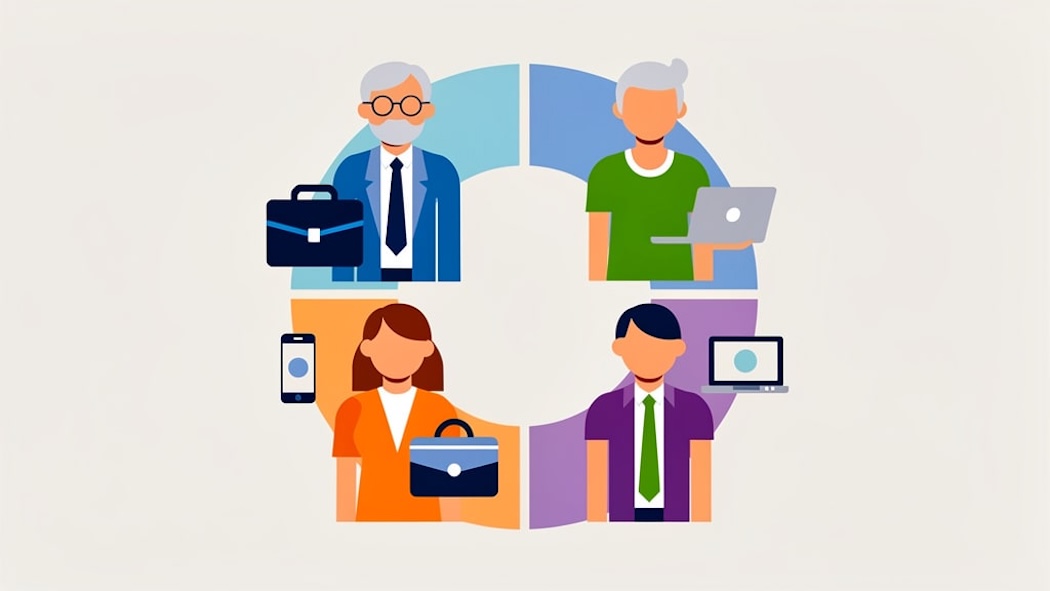
A multigenerational team is daily reality for most growing companies. Interns born after 2000 often work alongside managers who started before email was common. Treating everyone the same means missing a chance to turn this range of experience into better results. Companies that design for generational differences often see stronger collaboration, higher engagement, and, in some studies, more than 30% better financial performance.
Generational patterns do not define any one person, but they are a helpful starting point. They explain why one employee loves public praise while another prefers a private thank-you and an extra day off. They also help HR leaders predict where employee motivation by generation might be at risk and where recognition can change the picture.
Baby Boomers: Loyalty And Legacy
Baby Boomers (born 1946–1964) are often the most tenured people on the team. They carry deep institutional knowledge, long client histories, and a strong sense of the company’s story.
Key recognition drivers for Boomers:
- Respect for tenure and contribution over time
- Thoughtful, sometimes formal messages (e.g., leadership notes, town halls)
- Opportunities to mentor and pass on knowledge
When designing baby boomer recognition, highlight long-term contributions, legacy projects, and mentoring roles.
Generation X: Independence And Balance
Generation X (born 1965–1980) is often the backbone of mid-level leadership. Many grew up self-reliant and have carried that independence into work.
Gen X tends to value:
- Trust and autonomy over micromanagement
- Straight talk about goals and results
- Practical rewards that support work-life balance
Gen X workplace motivation rises when leaders recognize impact without forcing the spotlight and offer more control over time and workload.
Millennials: Purpose And Growth
Millennials (born 1981–1996) make up the largest share of the workforce and increasingly hold senior roles. They grew up through rapid tech change and major economic shocks, which shaped expectations for employers.
They often look for:
- Work that connects to a clear purpose
- Frequent, two-way feedback
- Growth, learning, and meaningful experiences
When millennial employee recognition focuses on progress, learning, and impact on customers or community, performance tends to climb.
Generation Z: Speed And Social Consciousness
Generation Z (born 1997–2012) entered work with smartphones already in their pockets. Instant feedback from likes and comments shaped their expectations.
Gen Z typically values:
- Quick, specific feedback after doing something well
- Tech-based, peer-visible recognition
- Alignment with social and environmental values
Effective Gen Z recognition is frequent, fast, and specific, often delivered digitally and linked to a bigger mission or social cause.
Why Generic Recognition Programs Fail Across Generations
Single-playbook, one-size recognition programs often disappoint. Organizations with weak or inconsistent recognition programs fail roughly double the turnover and far lower productivity. The intent is usually good; the experience is not.
Common failure points include:
-
Impersonal experiences A single “Employee of the Month” award offers one brief high and many quiet disappointments. A ceremony might feel meaningful to a Baby Boomer but awkward or irrelevant to a Gen X colleague or a Millennial whose invisible work made the win possible.
-
Poor timing If Gen Z employees do great work in March but do not hear about it until an October review, the moment is gone. Millennials also want short feedback loops; long gaps send the message that effort goes unnoticed.
-
Perceived unfairness Remote workers, parents who log off right after hours, and quiet high performers often receive less recognition than loud, always-on colleagues. Without data, HR leaders cannot see who is overlooked or which methods work for each generation.
The hidden cost is a growing sense that “this company does not understand people like me.” That feeling fuels quiet quitting and passive job hunting. To change it, organizations need workplace culture recognition that respects generational differences and uses technology to deliver personalization at scale.
Generational Recognition Strategies: A Practical Framework
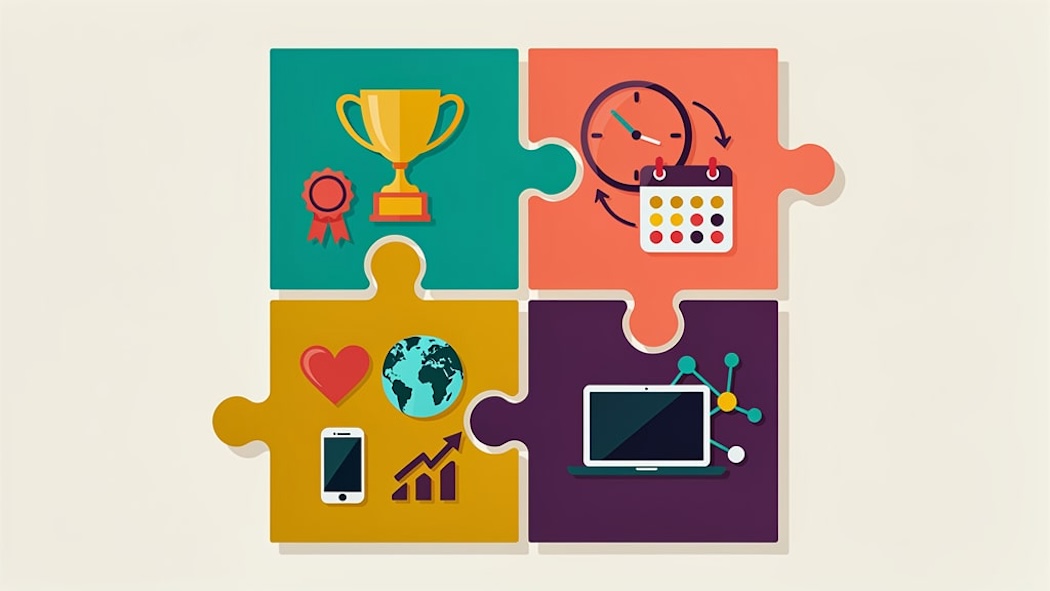
Putting generational insights into practice means pairing the right channel and reward with the right person at the right time. This framework breaks recognition in the workplace into practical moves for each major cohort. Managers can apply it immediately, and HR teams can use it to design consistent employee recognition strategies across departments.
“Feedback is the breakfast of champions.” — Ken Blanchard
Recognizing Baby Boomers: Honoring Experience
Baby Boomers respond well to thoughtful, sometimes formal appreciation that highlights service and expertise. Strong options include:
- Spotlights in company-wide meetings or leadership emails
- Stories in internal newsletters that show long-term impact
- Invitations to mentor, coach, or lead knowledge-sharing sessions
On the rewards side, titles, expanded responsibilities, health and wellness benefits, and visible symbols of appreciation often mean more than trendy perks. With Karma, you can set up milestone campaigns that celebrate 10, 15, or 20-year anniversaries and create a lasting digital record of their influence.
Recognizing Generation X: Respecting Autonomy
Gen X often prefers low-key recognition that respects privacy and independence. Meaningful approaches include:
- Thoughtful direct messages from leaders
- Short mentions in small team meetings highlighting problem-solving and reliability
- Rewards that give time back, such as extra PTO or flexible schedules
They also appreciate practical perks that make life outside work easier, like travel vouchers or home services. Karma supports private recognition messages and flexible reward catalogs, so Gen X employees can redeem points for what matters without a public spotlight.
Recognizing Millennials: Fueling Purpose
Millennials want steady feedback and a clear link between their work and a larger purpose. Effective millennial employee recognition often involves:
- Regular one-on-ones and project retros with clear feedback
- Public shout-outs in team channels describing impact on customers or community
- Development-focused rewards such as conference passes, skills courses, or coaching
Experiences often resonate more than status symbols. In Karma, managers and peers can tag recognition with company values like Customer Focus or Innovation, helping Millennials see how their work supports the mission while redeeming points for learning or charity donations.
Recognizing Generation Z: Enabling Instant Impact
Gen Z expects recognition to move as fast as their work tools. Helpful practices include:
- Public messages in Slack or Microsoft Teams within hours of a key contribution
- Quick shout-outs in standups and digital recognition walls
- Short, specific feedback that describes exactly what went well
This group appreciates rewards that blend technology, learning, and social impact: online courses, micro-credentials, new tools, and options to support causes. Karma’s real-time recognition, mobile access, and points system give Gen Z instant feedback, while reward catalogs can include tech perks and donations so appreciation matches their values.
Building An Inclusive Recognition Program: Essential Design Principles
Designing for different generations does not require four separate programs. The strongest systems use shared principles so recognition feels consistent and fair while still reflecting personal preferences. These principles also help HR leaders link recognition and engagement to results like retention and productivity.
The Five Pillars Of Effective Recognition
Five pillars support effective recognition across age groups:
-
Personalization People want to feel known, not processed. Consider role, location, and generation, and ask about preferences such as public versus private praise. Karma supports this with settings where employees can share how they like to be recognized.
-
Frequency A single annual award rarely changes behavior. High-performing teams talk about wins weekly, sometimes daily. Karma prompts inside Slack or Microsoft Teams help people turning recognition into a habit without adding meetings.
-
Specificity Generic “great job” messages fade quickly. Specific notes such as “your redesign cut page load time by two seconds” or “your calm response kept that customer with us” show what matters and help every generation repeat the right behaviors.
-
Authenticity People spot empty praise instantly. Recognition should be earned, grounded in real results, and tied to company values. When someone receives Karma points tagged with a value like Teamwork or Ownership, it feels more real and reinforces culture.
-
Accessibility Recognition must be easy to give and receive for office, remote, and field staff. If sending a thank-you takes ten clicks and a form, few will do it. Because Karma lives inside Slack, Microsoft Teams, Telegram, and mobile apps, appreciation fits naturally into the flow of work.
Promoting Equity And Transparency
Fairness is a common concern with recognition programs, especially when some people are on-site and others are remote. To keep things fair:
- Set clear criteria for what behaviors and results deserve recognition, and share them widely.
- Tie criteria to performance metrics so appreciation follows impact, not personal closeness.
- Use analytics to see which teams are active, which generations are missed, and where hidden stars carry heavy loads.
Visibility tools such as shared feeds help remote employees stand out as much as those who meet leaders in hallways. Karma’s analytics dashboard makes patterns easy to spot by team, office, and age group, so HR leaders can correct gaps and guide managers toward more balanced recognition.
Implementing Your Multi-Generational Recognition Strategy
Even with a clear plan, launching a new recognition program can feel big. Breaking it into phases makes it manageable and helps recognition in the workplace become part of daily routines rather than a one-off campaign.
Phase 1: Assessment And Planning
Start by listening:
- Run short surveys and focus groups to learn how employees feel about current recognition.
- Segment responses by generation where possible. Ask about preferred channels, frequency, and reward types.
- Review who receives recognition now, who gives it, and which programs are used or ignored.
Combine this view with retention and engagement data to spot risk areas, then set clear goals like “raise Millennial engagement scores by 10%” or “reach 80% monthly participation on our recognition platform.”
Phase 2: Program Design And Customization
With insights in hand:
- Define which behaviors and results deserve recognition and connect them to company values.
- Build a reward catalog that balances monetary rewards, experiences, development, and flexibility for all generations.
- Decide who can send recognition, how many points they can grant, and any approval rules.
Karma speeds this stage with ready-made templates, sample values, and customizable rewards, turning months of design into a short, focused project.
Phase 3: Launch And Manager Enablement
Leaders set the tone. Ask executives to send the first recognitions and explain why the company is investing in this area.
Then:
- Train managers with simple scripts and examples for each generation.
- Give them quick reference guides and set expectations for cadence (for example, at least one recognition for each team member every month).
- Connect Karma directly to Slack or Microsoft Teams so sending recognition is as simple as posting a message.
When managers see how recognition lifts morale and performance, they become strong advocates.
Phase 4: Measurement And Iteration
Once the program is running, treat it as a living system:
- Track participation, recognition volume, and reward redemptions.
- Compare results with retention, engagement scores, and performance metrics.
- Review findings quarterly, gather feedback, and refine messages, methods, or rewards by generation.
Small, regular adjustments keep the program relevant as teams and business needs change.
The Role Of Technology In Scaling Generational Recognition
Manual systems can work for small teams but rarely scale beyond a few dozen people, especially across time zones. Emails get buried, leaders forget key dates, and HR teams struggle with spreadsheets. For a growing, distributed company, technology keeps generational recognition running smoothly.
Modern recognition platforms bring all activity into one central hub that employees can access from anywhere:
- Multi-channel access means people can send and receive recognition inside Slack, Microsoft Teams, email, or mobile apps, meeting Boomers, Gen X, Millennials, and Gen Z where they already work.
- Peer-to-peer recognition walls encourage appreciation from all directions, not just top-down.
- Automation prompts managers around work anniversaries, birthdays, and major project milestones so key moments are not missed.
- Gamified points and leaderboards, used thoughtfully, create friendly competition that engages younger cohorts without alienating older ones.
“Culture eats strategy for breakfast.” — Peter Drucker
Recognition tools such as Karma help culture show up in everyday behavior. Tagging recognition with company values keeps attention on what matters most, while analytics show who gives and receives recognition, which teams are highly engaged, and where attention is lacking. Because Karma lives directly inside Slack, Microsoft Teams, and Telegram, it fits existing workflows while giving leaders the insight they need to adjust programs and show impact to the C-suite.
Measuring The Business Impact Of Generational Recognition
For executives, recognition has to be more than a feel-good practice. It needs clear links to performance. That requires tracking the right metrics before and after launching new employee recognition strategies.
Focus on three groups of measures:
Leading indicators (1–3 months)
- Platform participation rates (for example, target 80% monthly active users)
- Average number of recognitions per person per month
- Short pulse surveys on whether employees feel valued
Lagging indicators (6–12 months)
- Retention rates, especially for high-turnover generations or critical roles
- Engagement survey scores, particularly around appreciation and fairness
- Team performance (delivery times, quality metrics, customer satisfaction) for groups that use recognition heavily versus those that do not
Financial indicators
- Estimated savings from reduced turnover (recruiting, onboarding, lost productivity)
- Productivity gains tied to higher engagement
Some Karma customers, such as a SaaS startup that saw engagement rise by roughly 25% in six months and a fintech company that cut turnover by about 18% through automated milestone recognition, illustrate how meaningful these gains can be. The key is to record baseline numbers before launch so improvements can be linked directly to the program.
Conclusion
Recognition is no longer a nice-to-have perk. It is a strategic lever that shapes retention, engagement, and financial performance. In a workforce spanning Baby Boomers through Gen Z, relying on generic praise and one-off awards means losing energy, innovation, and, eventually, talent.
Each generation brings distinct expectations. Baby Boomers look for formal appreciation of their legacy. Gen X wants respect for independence and time. Millennials seek purpose and growth. Gen Z expects fast, values-aligned feedback delivered through technology. Organizations that align employee recognition strategies with these patterns see higher motivation and stronger retention.
Success rests on five shared pillars: personalization, frequency, specificity, authenticity, and accessibility. With these in place, recognition becomes a natural part of day-to-day work, not an occasional event.
Technology platforms like Karma make this level of recognition in the workplace realistic for busy HR teams. By centralizing peer recognition, automating milestones, and providing clear analytics, Karma helps organizations run multi-generational programs that genuinely move the needle. The next step is simple: review where your recognition falls short, identify high-risk groups, and pilot a focused, data-informed program. When every generation feels seen and appreciated, people are far more likely to bring their best work every day.
FAQs
How Do I Identify Which Generation An Employee Belongs To And Their Recognition Preferences?
A practical starting point is birth-year ranges: Baby Boomers (1946–1964), Gen X (1965–1980), Millennials (1981–1996), and Gen Z (1997–2012). These labels explain broad trends but never describe every person.
To avoid guessing:
- Use onboarding surveys to ask how employees like to be recognized and what rewards they prefer.
- Use tools like Karma that let people set recognition preferences and reward interests.
- Observe how they respond to different styles and adjust over time.
Can A Recognition Program Work If My Company Has A Limited Budget?
Yes. Strong programs do not have to be expensive. Many of the best employee appreciation ideas cost little or nothing, such as:
- Public praise in team channels
- Flexible hours or occasional extra days off
- Opportunities to mentor, learn, or lead interesting projects
The key is timely, sincere acknowledgment, not big gifts. Investing in an affordable platform like Karma can also reduce admin time and make every gesture more visible. Preventing the loss of even one valued employee can cover the program cost for the year.
What If My Managers Resist Giving Recognition Or Say They Do Not Have Time?
Manager resistance usually comes from discomfort, not bad intent. Many leaders are unsure what to say or feel they lack time.
To help them:
- Provide short training with concrete examples for each generation.
- Share simple message templates and quick tips.
- Integrate recognition into Slack or Microsoft Teams through Karma so managers can send meaningful messages in seconds.
As they see recognition improve team morale and performance, most managers become active supporters.
How Do I Make Sure Recognition Feels Authentic And Not Forced?
Authentic recognition focuses on specific actions and results instead of vague praise. For example, “Your clear documentation cut onboarding time for new hires in half” feels more real than “Nice work.”
To keep recognition authentic:
- Tie appreciation to company values and observable behavior.
- Encourage peer-to-peer recognition so colleagues can highlight everyday contributions.
- Avoid overdoing volume; insincere praise is easy to spot.
Platforms like Karma support value tags and open feeds, which keep praise grounded and believable.
How Quickly Can We Expect To See Results From A New Recognition Program?
You can often see early signs within the first few months:
- In 1–3 months, participation rates, recognition volume, and quick pulse surveys usually improve as people try the program.
- In 3–6 months, engagement scores often rise as recognition becomes routine.
- In 6–12 months, shifts in retention and performance become clearer as employees decide to stay and teams build new habits.
Many Karma customers report noticeable engagement gains within about half a year of launch.
 Bridging the Generation Gap with Recognition and Respect