
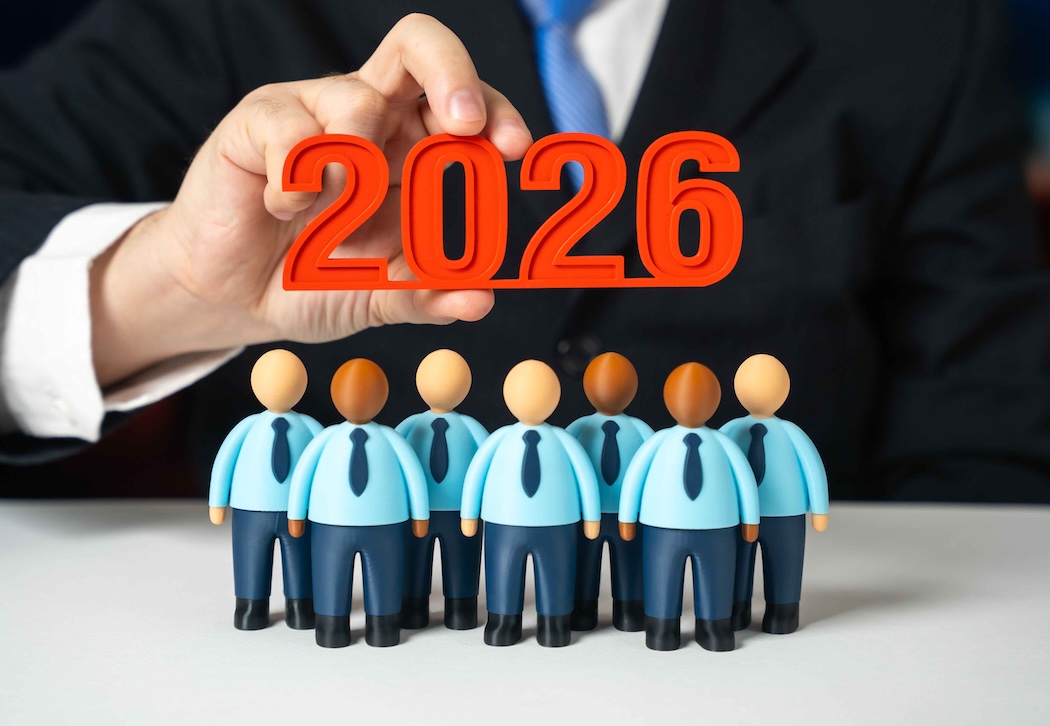
Employee recognition has shifted dramatically in recent years — from occasional annual awards to continuous, integrated, and deeply personal appreciation programs. In 2026, organizations that get recognition right will see stronger engagement, better retention, and more resilient cultures.
1. Recognition Is Frequent — Not Occasional
Traditional annual awards and end-of-year plaques no longer move the needle. By 2026, recognition happens frequently and in the flow of work, not just at formal milestones. Leading organizations are encouraging micro-recognition — quick acknowledgments of everyday contributions — and embedding these moments into weekly rituals (team meetings, digital shout-outs, one-click kudos in chat tools).
Why this matters: Employees who receive ongoing recognition demonstrate higher engagement, stronger performance, and a deeper sense of belonging than those who only receive periodic accolades.
2. Personalization at Scale — With Human Heart
Recognition in 2026 is hyper-personalized rather than generic. People want to be seen for what they specifically do well and why it matters. Vague phrases like “good job” are being replaced with intentional messages tied to values, outcomes, and impact.
How personalization shows up:
- Recognition messages that highlight specific achievements
- Reward options tailored to individual preferences (experiences, learning credits, lifestyle perks)
- AI suggestions for phrasing or timing (e.g., optimal moments tied to milestones) that managers can refine to stay authentic.
Outcome: Personalization deepens emotional connection and reinforces behaviors that truly align with company goals.
3. Technology Integrates Recognition Into Everyday Work
Recognition no longer lives in isolated platforms. In 2026:
- Recognition features are integrated directly into tools employees already use — Slack, Teams, Workday, collaboration tools, and mobile apps.
- Automated alerts help nudge managers to recognize contributions in real time.
- AI-assisted workflows help craft meaningful messages that preserve emotional authenticity (not replace it).
Impact: Removing friction makes appreciation natural, consistent, and visible — rather than an extra task that managers feel they have to do.
4. Peer Recognition Becomes Foundational
Recognition is no longer top-down only. Peer-to-peer appreciation is now a cornerstone of thriving cultures:
- Shared public shout-outs build community and reinforce connection.
- Platforms encourage anyone to recognize anyone, democratizing appreciation.
Why it matters: Peer recognition often carries equal or greater weight than manager praise — especially on collaborative teams.
5. Multi-Generational and Inclusive Recognition
Workplaces now span five generations, each valuing recognition differently. Modern programs offer:
- Options tailored to diverse generational preferences (formal awards, digital shout-outs, experiential rewards)
- Inclusive reward menus where employees choose what resonates with them
- Multilingual and mobile-first platforms for global teams.
Result: Recognition feels relevant, authentic, and accessible to every employee no matter their role or background.
6. Holistic and Purpose-Driven Rewards
Recognition in 2026 extends beyond pay or bonuses into whole-person well-being:
- Experiences (travel, events, skill-building workshops) often outperform tangible goods.
- Support for causes that matter to employees — like charity donations or sustainability initiatives — reinforces shared values.
Takeaway: Employees appreciate when recognition speaks to meaning, purpose, and life outside work as much as job performance.
7. Measurement and Analytics Make Recognition Strategic
Recognition is now evaluated with the same rigor as other business initiatives:
- Organizations track frequency, inclusivity, and impact of recognition practices.
- Recognition data informs leadership scorecards and HR strategy.
Why this shift matters: Data helps identify gaps, ensure equity, and improve programs over time rather than relying on guesswork.
Looking Ahead: Recognition Is a Culture Driver, Not a Perk
In 2026, recognition has graduated from a “nice-to-have” benefit to a strategic culture driver. It directly fuels employee engagement, retention, and organizational performance. By making appreciation frequent, personalized, tech-embedded, and human-centered, forward-thinking companies are using platforms like Karma recognition to ensure meaningful appreciation happens consistently — not occasionally. The result is workplaces where people feel genuinely seen, valued, and connected every day.
 Lessons in Appreciation From Boomers, Gen X, Millennials, and Gen Z