

Why Peer-to-Peer Recognition Outperforms Top-Down Praise
Introduction
Think about the last time work felt really good. Not the day a bonus hit the bank, but the moment someone on the team said a specific thank you for something that mattered. That feeling is the power of real employee recognition, and it often does more to fuel performance than formal rewards.
For years, recognition at work meant a manager calling out wins in a review or at an all-hands. That top-down model still has value, but it misses a huge part of the picture, especially for remote and hybrid teams. Colleagues see the late-night bug fix, the quiet help in Slack, the person who jumps on a call to save a deal. When only managers handle workplace recognition, most of these moments disappear.
That is where peer-to-peer recognition comes in. When appreciation flows sideways between teammates, employee appreciation becomes part of daily work instead of a rare event. psychology of recognition backs this up. Employees who receive steady, meaningful recognition are more productive, more loyal, and far more likely to say they love their jobs. Companies that build a strong employee recognition culture see better retention, stronger engagement, and higher output.
This article breaks down why peer-to-peer recognition outperforms classic top-down praise, how it affects productivity and retention, and what it takes to put a modern recognition system in place. By the end, you will have a clear playbook for building a recognition-rich culture that fits remote, hybrid, and fast-moving teams.
"The deepest principle in human nature is the craving to be appreciated." — William James
Key Takeaways
Peer-to-peer recognition captures the everyday appreciation that already happens between coworkers and turns it into visible recognition in the workplace. This gives credit to contributions managers often miss, such as quiet support, mentoring, and behind-the-scenes work that keeps projects on track. It helps you see the real cultural drivers inside your teams.
Employees who receive weekly recognition feel much more connected and productive than those who rarely hear praise. Studies show they are nine times more likely to feel strong belonging and 2.6 times more likely to say they are operating at their best. This makes peer-driven workplace recognition one of the most effective employee engagement strategies available.
Consistent, authentic recognition at work creates what researchers call an emotional salary, which can matter more than extra cash. Many employees say they would choose a job where they feel valued over a different offer with a thirty percent pay increase, as long as they experience real appreciation where they are.
The strongest cultures do not treat manager recognition vs peer recognition as an either-or decision. They combine manager-led praise with active peer-to-peer recognition so appreciation flows in every direction and supports both performance and culture.
Modern peer recognition programs running on centralized platforms help you track recognition patterns, reduce active job hunting, and build a strong recognition culture. Data shows companies using social recognition at work see better engagement, stronger culture connection, and fewer employees quietly looking for their next role.
The Fundamental Limitations of Top-Down Recognition Models
Top-down recognition still matters. When a manager publicly thanks someone for a big release or connects performance to a promotion, it sends a powerful message about priorities and standards. You need that kind of formal employee recognition to link work with goals, pay, and growth.
The problem is that manager-only recognition has built-in blind spots. No leader, no matter how present, can see all the small acts of support, problem solving, and collaboration that happen across a team. In recognizing remote employees, this gap grows even wider as more work moves into private messages, quick calls, and cross-functional channels that managers do not always follow.
Timing is another issue. Many managers save formal workplace recognition for frequent recognition, performance cycles, or big project milestones. By the time the praise arrives, the moment that deserved appreciation is weeks or months in the past. That delay weakens the impact and makes recognition feel like a checkbox in a process instead of a real response to behavior.
There is also a perception risk. When all recognition flows from the top, employees can start to question motives. Praise may feel political, reserved for the people who have the most face time, or tied to visible wins instead of real impact. Managers are busy as well, juggling hiring, coaching, reporting, and their own project work. Even leaders who care deeply about employee appreciation often struggle to give frequent, specific praise.
Over-reliance on top-down praise creates a culture where people look up for validation rather than across. Teams become more focused on impressing leaders than helping one another. Data suggests that traditional review-heavy systems miss most of what matters, since the majority of meaningful contributions are noticed first by peers, not managers. Without a way to capture that, your recognition at work reflects only a thin slice of reality.
Why Peer-to-Peer Recognition Delivers Superior Business Outcomes

Peer-to-peer recognition flips the script by moving appreciation to the point of work. The people who sit in the same standups, share the same on-call rotation, or close out the same sprint see each other’s real contributions every day. When they can give recognition at work in real time, the right behaviors are reinforced when they are still fresh.
Immediacy matters. A teammate can send a quick shout-out in Slack right after someone saves a release or helps close a tricky ticket. That real-time recognition creates a direct link between the action and the positive feedback. Over time, this builds a strong pattern of what good looks like. It also feels more authentic because peers usually have no formal power over each other. Their workplace recognition comes from respect for real effort, not from a need to fill a form.
There is also a strong social effect. Humans tend to respond in kind when they feel seen and helped. When people appreciate one another, they build a loop of support, collaboration, and shared pride. This is especially powerful in distributed teams, where a steady stream of social recognition at work can replace the casual high-fives that used to happen in the office. The result is tighter bonds and faster collaboration.
From a business angle, the numbers are hard to ignore. Research shows that seventy-two percent of employees would rather stay in a place where they feel supported and valued than move for a much higher paycheck. Employees who feel meaningfully recognized are several times more likely to see a long-term future with their company. Companies with strong recognition culture report higher productivity, reduced turnover, and better employee engagement strategies paying off in real results.
Because peer-to-peer recognition is open to everyone, it also shines a light on unsung heroes. These are the people who keep documentation clean, mentor junior staff, or calm down upset customers before an issue escalates. Managers may only hear about these things when something goes wrong. Peers see them daily. When you add structured peer recognition programs, recognition flows across teams and functions, helping break down silos and building respect between departments.
The Data Behind Peer Recognition's ROI
ROI of recognition need more than warm stories. They need proof that peer-to-peer recognition drives business outcomes. The good news is that the data is clear and consistent across studies.
Employees who receive weekly recognition are nine times more likely to say they feel a strong sense of belonging at work, according to the Achievers Workforce Institute. The same research links weekly appreciation with a 2.6 times increase in self-reported productivity. That means regular recognition in the workplace is not just nice for morale; it connects directly to output.
impact of recognition on employee retention tells a similar story. Workers who feel meaningfully recognized are nearly six times more likely to picture themselves with their current company in the long term. A Canva survey found that eighty-one percent of highly appreciated employees report high job satisfaction, compared with only seven percent among those who feel unappreciated. When employees feel valued, they are also far less likely to quietly look for other roles.
There is a strong pay perception impact as well. Lower earners who feel appreciated are less driven by money than higher earners who do not feel recognized. This emotional salary effect shows how steady employee appreciation can offset some pay pressure, especially when paired with fair compensation. Finally, companies that use social workplace recognition tools report broad engagement gains. One study notes that eighty-four percent of organizations running social recognition at work see measurable improvements in engagement scores.
The Five Critical Advantages of Horizontal Appreciation
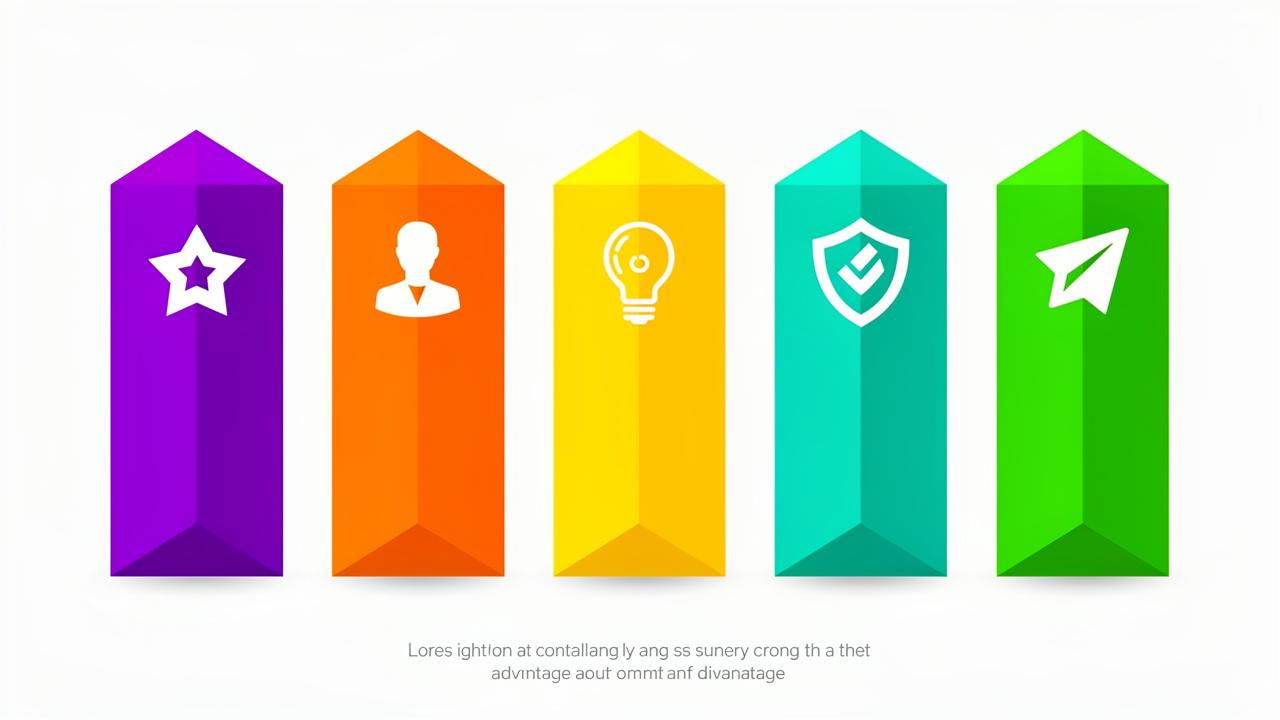
Horizontal appreciation, where coworkers recognize each other directly, creates benefits that top-down models cannot match. These advantages show up in both culture and performance, especially in remote, hybrid, and engineering-heavy teams.
Advantage 1: Visibility of daily contributions. Peers see the micro-behaviors that never make it into a slide deck. Think about the developer who jumps on a call at midnight to debug a production issue, or the support agent who calms an upset customer and protects the brand. Managers may only hear a short summary later. When teammates can give fast, specific recognition at work for these moments, the right habits spread.
Advantage 2: Breaking down silos. When marketing thanks engineering for a fast integration, or sales appreciates operations for smooth order handling, it changes how teams see each other. Instead of blaming “the other department”, people notice and call out real help. Active team recognition strategies build cross-functional trust, which is vital when your product, sales, and support teams all rely on each other to move fast.
Advantage 3: Scalability and frequency. In a one-hundred-person company, a single manager may be able to regularly recognize only a small set of direct reports. If every employee can recognize any other coworker, the ceiling disappears. Hundreds of short, specific messages turn into a constant stream of employee recognition that keeps motivation high, even during hard sprints or busy seasons.
Advantage 4: Cultural democratization. When only leaders give praise, culture feels owned by the top. With peer-to-peer recognition, every person helps define what good looks like. People highlight behaviors they respect, such as knowledge sharing, calm problem solving, or support during outages. Over time, this becomes a bottom-up way of building a recognition culture that actually matches how work gets done.
Advantage 5: Authentic behavioral reinforcement. Because peers have no formal power over pay or promotion, their feedback often lands as more honest. When a teammate calls out your code review habits or your clear documentation, it feels like real professional respect. This kind of peer feedback reinforces the behaviors that matter most for team performance, without the suspicion that comes with politics or rating curves.
How Peer Recognition Builds Psychological Safety
psychological safety is the belief that you can speak up, share ideas, or admit mistakes without fear of embarrassment or punishment. High-performing teams almost always have strong safety. Peer-to-peer recognition is one of the fastest ways to build it.
Harvard professor Amy Edmondson defines psychological safety as "a shared belief that the team is safe for interpersonal risk taking."
When psychological safety and peer recognition for asking hard questions, raising risks early, or admitting an error and fixing it, they send a clear message about what is welcome. People learn that the team values honesty and effort, not just perfect outcomes. Regular recognition at work for collaborative behavior tells everyone that they will not be punished for trying new things.
Peer appreciation also encourages people to ask for help. If you see others recognized for jumping in to assist, it feels safer to say you are stuck. This reduces hidden problems and makes teams more resilient under pressure. The loop goes both ways as well. Giving recognition builds trust, and receiving it builds confidence that your voice matters.
Over time, this steady pattern of horizontal appreciation creates a web of trust that does not depend on a single manager. That foundation of psychological safety supports better ideas, faster learning, and stronger performance across the entire group.
Implementing a High-Impact Peer Recognition Program
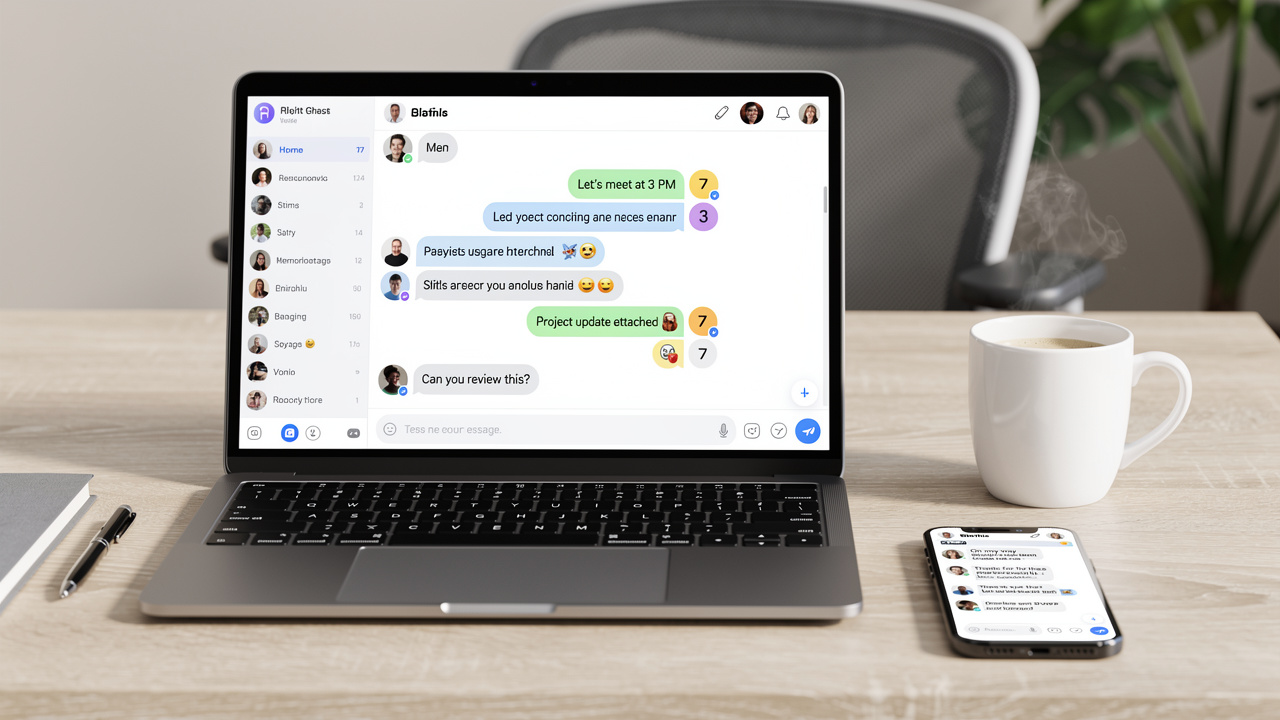
Moving from ad-hoc thank-yous to a structured peer recognition program takes planning, but it does not have to be complicated. The key is to meet people where they already work and make recognition at work so easy that it becomes a habit instead of a special event.
"The way to develop the best that is in a person is by appreciation and encouragement." — Charles Schwab
Here is a simple sequence many organizations follow:
Choose a centralized tool. Start with a platform that lives inside your existing workflow. For most modern teams, that means Slack, Microsoft Teams, or similar chat tools. When employees can send peer-to-peer recognition without leaving their normal channels, participation climbs quickly. A central feed also lets everyone see appreciation happening across teams, which boosts the sense of shared culture.
Set clear guidelines. Define what good recognition looks like. Encourage people to be specific, timely, and tied to company values. Instead of “great job”, coach employees to explain what the person did, why it mattered, and which value or goal it supported. This structure turns casual praise into meaningful employee recognition that shapes behavior.
Teach the skill. manager training matters more than most leaders expect. Many people have never been taught how to give strong feedback. Short playbooks, sample messages, and quick manager walk-throughs help everyone grow this skill. You can even bring examples into standups to highlight strong workplace recognition and show why it landed well.
Layer in rewards carefully. Rewards can add energy when used wisely. Points-based systems, small bonuses, gift cards, extra time off, or donations to charity can sit on top of social recognition. The social message should stay at the center, with rewards acting as a helpful bonus. Make sure the catalog reflects your values so that employee appreciation stays aligned with what your company stands for.
Use data to guide and improve. A modern platform should let you see who gives and receives recognition, which teams are active, and where gaps may exist. This helps you keep the program fair across locations, roles, and demographic groups. Leaders should model the behavior by recognizing peers and direct reports in visible channels, signaling that this is not “HR’s program” but a core part of how the company works.
The Role of Karma in Seamless Peer Recognition
Karma is built for companies that want peer-to-peer recognition baked into daily work instead of tucked into a separate portal. It runs as a bot right inside Slack, Microsoft Teams, and Telegram, so employees can send appreciation with a simple command while they chat, plan sprints, or close tickets. A web app gives HR and leaders access to program settings and analytics in one place.
The platform centers on Karma points. When someone gives recognition at work through Karma, they can attach points that add up over time. Companies can decide how these points work in their context — for example, linking them to rewards such as gift cards, extra time off, or charitable donations, or using them purely as a visibility and feedback signal. This turns every thank-you into both social praise and a clear sign that the organization values that behavior.
Karma also lets you tag recognition with company values, like “Ownership” or “Customer Focus”. Over time, this shows which values are truly lived and where you may want to focus coaching. Behind the scenes, Karma’s analytics dashboard gives HR and leaders a clear view of recognition patterns, active teams, and “hidden stars” who contribute heavily but may not be on the radar.
Because Karma captures quick micro-feedback and small messages of employee appreciation, it makes the invisible visible. It works across distributed teams and chat-based workflows, which fits mid-sized and enterprise organizations that rely heavily on Slack or Microsoft Teams. For leaders, this turns recognition from a feel-good idea into a data-informed cultural practice tied to performance and retention.
Combining Peer Recognition with Manager-Led Appreciation

The best recognition cultures do not choose sides between manager praise and peer-to-peer recognition. They combine both in a clear, simple system. Each type plays a different role, and together they cover the full range of recognition in the workplace.
Manager-led recognition is still the right tool for formal feedback. When you connect goals, compensation, promotion, and career paths, that message needs to come from a leader. Managers can also highlight big wins tied to strategy, such as shipping a new feature, hitting a revenue goal, or completing a major migration. This kind of recognition helps employees see how their work ties into the bigger picture.
Peer recognition fills in the rest. It captures the day-to-day collaboration, cross-team support, and cultural behaviors that traditional reviews miss. This is where most of the real employee appreciation lives. It covers things like helping a new hire ramp quickly, sharing knowledge, or going the extra mile for a customer during a stressful moment.
A healthy mix leans heavily toward frequent, informal peer messages, supported by structured manager recognition at key milestones. Manager check-ins and reviews can even pull from peer recognition data. If five coworkers have praised someone’s collaboration or problem solving, that becomes strong evidence for performance discussions.
To make this work, your peer recognition programs and manager processes should sit on the same platform or at least feed into one view. When praise from all directions flows into a single stream, employees see that all voices count. This sends a clear signal that both leaders and peers play a part in your recognition culture.
Common Implementation Mistakes to Avoid
Even smart recognition programs fail if they are set up the wrong way. Knowing what to avoid saves time, money, and trust.
Forcing quotas. One common mistake is forcing recognition with quotas. When you tell managers or employees they must send a fixed number of kudos each month, many will wait until the end of the period and fire off generic praise. That kind of activity burns time and cheapens recognition at work because it feels like a task, not a real thank-you.
Skipping training. Another mistake is skipping training. Many people do not know the difference between a quick compliment and effective employee recognition. Without improve employee recognition processes, messages stay vague. They do not explain what behavior mattered, so they fail to reinforce anything useful. Spending a small amount of time teaching specific, impact-focused recognition pays off quickly.
Ignoring equity issues. Equity issues can creep in when the same high-visibility people get all the praise, while steady contributors or remote staff get little. Over time, this undercuts your recognition culture instead of strengthening it. A modern platform can surface these patterns so you can nudge leaders and teams toward more balanced workplace recognition.
Over-complicating the process. Some companies over-engineer their programs. Complex approval flows, multiple forms, or heavy rules make it hard to participate. Employees will give up if it feels like extra admin. Recognition should be quick, human, and close to the work, not locked behind a process wall.
Treating recognition as a one-time launch. Treating recognition as a one-time rollout is a serious risk. Sending one launch email and expecting behavior to change for good rarely works. You need ongoing communication, fresh examples, and visible participation from senior leaders. When executives and managers do not actively join in peer-to-peer recognition, employees read that silence as a sign that the program is not important.
Conclusion
Peer-to-peer recognition wins over top-down praise because it happens where real work happens. Teammates see each other’s effort in real time, give immediate feedback, and turn appreciation into a normal part of daily communication. That daily recognition of recognition at work builds trust, strengthens collaboration, and reinforces the behaviors that drive results.
The data is strong. Weekly recognition ties to nine times stronger belonging and 2.6 times higher self-reported productivity. Employees who feel valued are several times more likely to stay, and many would choose that feeling of appreciation over a large pay bump. A modern recognition culture that centers on peers, supported by managers, is not just kind. It is a clear business advantage.
The smartest approach is not to pick manager recognition vs peer recognition, but to combine them. Let peers handle frequent, specific employee appreciation, while managers use that signal and add formal praise at key milestones. Tools like Karma make this practical by weaving workplace recognition into Slack and Microsoft Teams and by turning those messages into data leaders can use.
For HR directors, people leaders, and founders, the question is no longer whether to add peer-to-peer recognition. The real question is how fast you can put a simple, visible system in place. Start by mapping your current gaps, choose a platform that fits your communication stack, and teach teams how to give real, specific appreciation. The sooner you do, the sooner you will see the impact on engagement, performance, and retention.
FAQs
How Do You Prevent Peer Recognition from Becoming a Popularity Contest?
The best way to avoid a popularity contest is to set clear standards for recognition and repeat them often. Make it clear that praise should be specific, based on observable work, and linked to values or goals, not friendship. A good platform helps by tracking who gets recognized so you can spot patterns and coach teams if the same small circle keeps getting all the attention. Leaders should model the right behavior by thanking a wide range of contributors, including quiet or remote teammates whose work is easy to overlook.
What's the Difference Between Peer Recognition and Performance Reviews?
Peer recognition is informal and frequent, focused on specific actions in the moment, such as closing a hard bug or helping a teammate meet a deadline. Performance reviews are formal and scheduled, and they look at broader patterns of behavior and results over a longer period. Peer recognition can feed into reviews by giving managers real examples of collaboration, cultural fit, and impact that they might not see firsthand. The two tools work best when they support each other rather than replace each other.
How Frequently Should Employees Give Peer Recognition?
Research suggests that weekly recognition has the strongest impact on belonging and productivity, so that is a good target to keep in mind. At the same time, frequency should feel natural, not forced, with people giving recognition at work whenever they see meaningful contributions. A healthy culture usually means each person gives or receives appreciation at least once a month, with many employees involved more often. Short, sincere micro-recognitions shared weekly or even daily build more cultural momentum than saving all praise for rare big wins.
Can Peer Recognition Work in Highly Competitive Sales Environments?
Peer recognition can work very well in competitive sales teams when you focus it on the right behaviors. Aim the praise at actions that support the whole group, such as sharing winning talk tracks, helping with complex deals, or covering for a teammate who is out. You can still celebrate individual targets, but you also reward the collaboration behind those wins. Many sales organizations find that structured peer-to-peer recognition reduces unhealthy rivalry while keeping strong performance pressure, because people see that helping each other is noticed and valued.
 The Psychology Behind Feeling Valued at Work